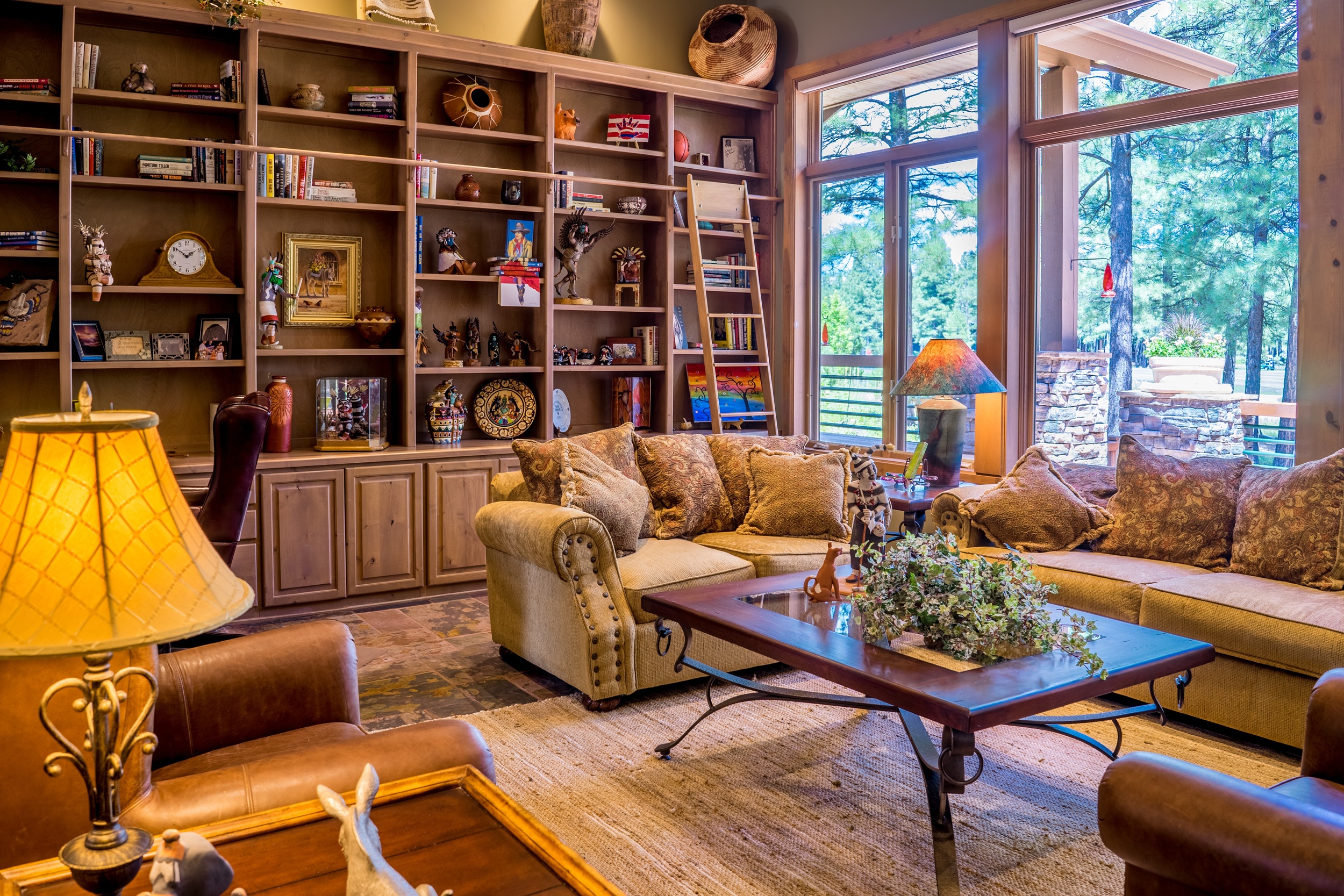
In Central Kentucky, many families have beautiful pieces passed down through generations — dining tables, china cabinets, dressers, desks, and more. These heirlooms often hold deep sentimental value. They may have been present at family gatherings, moved from home to home, or simply stood as quiet reminders of parents and grandparents. Over time, however, years of use combined with Kentucky’s humidity and seasonal temperature changes can take a visible toll.
Professional restoration does more than make a piece look good again. When done carefully, it can stabilize loose joints, repair damaged veneers, correct sun fading, address worn finishes, and apply protective coatings that help the item last for future generations. The goal is not simply cosmetic improvement, but thoughtful preservation of both structure and character.
Balancing Sentiment and Practical Value
Many clients tell us that seeing a grandmother’s table or a grandfather’s desk beautifully restored brings back powerful memories. At the same time, quality restoration can also protect or enhance the monetary value of a well-made piece. Solid construction, original details, and a carefully maintained finish often matter to both collectors and future family members.
Not every inherited piece is an ideal candidate for full restoration, however. Some furniture from certain periods was built with lower-quality materials or simplified construction methods. For example, many Depression-era pieces present structural and material challenges that make professional restoration less practical. We explore those considerations in more detail in our related article, Why Depression-Era Furniture Is Often Not Worth Restoring.
Before beginning any project, it is helpful to evaluate the piece honestly. Factors such as overall structural integrity, quality of original materials, extent of damage, and historical or design significance all play a role. Our guide, How to Tell If Your Antique Furniture Is Worth Refinishing or Restoring, walks through the key questions to ask when deciding whether a piece is a strong candidate for professional work.
What Professional Restoration Can Accomplish
When a piece is structurally sound and well-made, skilled restoration can address a wide range of issues. Loose or failing joints can be reinforced. Damaged veneers can often be repaired or carefully matched. Sun-faded surfaces can be blended for a more consistent appearance. Worn or failing finishes can be refreshed or replaced with durable, protective coatings suited to the piece and its intended use.
The process is typically more measured than a standard refinishing job. The emphasis is on respecting the original craftsmanship while correcting damage and improving longevity. This careful approach is especially important for heirlooms, where both appearance and authenticity matter.
A Local Perspective
In Lexington and the surrounding Bluegrass communities, we regularly work with families who want to keep meaningful furniture in active use rather than storing it away or replacing it. Restoring an heirloom allows the piece to remain part of daily life while protecting the investment of time, care, and history it already carries.
If you have a family piece you are considering restoring, a professional assessment can help clarify what is possible, what is practical, and what the realistic outcome may be.