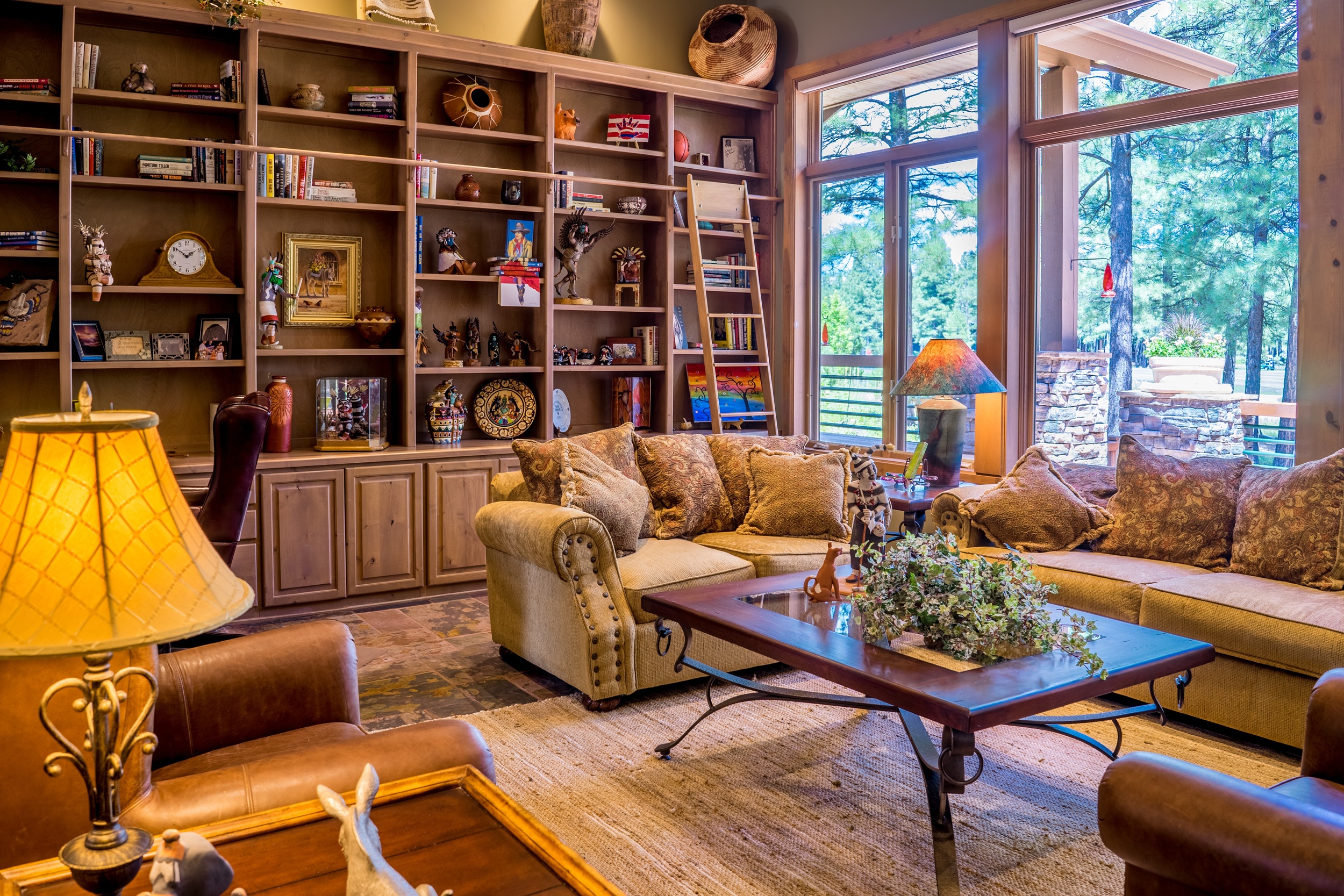
One of the most common observations we make at Red Bone Refinishing is how much better older furniture was built compared to most modern pieces. This difference becomes especially clear when we work on items made before the mid-1960s.
Whether it’s a dining table from a Lexington family, a dresser passed down through generations, or a well-made chair from a local estate, the quality of construction and design often stands out immediately.
Solid Wood Construction
Older furniture was typically built from solid hardwoods such as oak, walnut, mahogany, cherry, and maple. These materials are dense, durable, and capable of lasting for generations when properly cared for. In contrast, much of today’s mass-produced furniture relies on particle board, MDF, or thin veneers over cheaper core materials.
While these modern materials can look attractive when new, they are more susceptible to moisture damage, edge chipping, and structural failure over time — especially in Kentucky’s humid climate.
Solid wood also ages gracefully. It can be sanded, repaired, and refinished multiple times without losing its integrity. This is one of the main reasons so many antique and mid-century pieces still perform well in homes across Central Kentucky decades after they were made.
Superior Joinery Techniques
Craftsmanship is another area where older furniture frequently outperforms modern production. Traditional joinery methods such as dovetail joints, mortise and tenon connections, and carefully fitted wooden dowels create strong, lasting bonds. These techniques rely on precise woodworking rather than heavy dependence on staples, nails, or adhesives.
Modern furniture often uses simpler construction methods designed for speed and lower cost. While efficient for manufacturing, these approaches generally do not deliver the same long-term strength or repairability. When we restore older pieces, the quality of the original joinery is frequently still intact even after many years of use.
Better Hardware and Materials
Hardware on older furniture was typically made from higher-grade metals and designed for durability. Drawer pulls, hinges, and locks were often substantial and built to last. Many modern pieces use lighter, less durable hardware that can loosen, break, or corrode more quickly.
In addition, older finishes were often applied with greater care and using materials intended for longevity. While some older finishes may need refreshing today, the underlying wood and structure usually remain sound — making professional refinishing a worthwhile investment.
Timeless Design
Beyond construction, older furniture frequently features proportions and design details that remain appealing across generations. Clean lines, balanced forms, and thoughtful detailing tend to age more gracefully than many trend-driven modern styles. This is why so many Central Kentucky homeowners prefer restoring a well-made older piece rather than replacing it with something new that may feel dated in a few years.
A Practical Advantage for Local Homeowners
In Lexington and the surrounding Bluegrass region, many families still own furniture that was built to last. These pieces often carry both practical value and personal history. When the structure is sound, professional refinishing or restoration can return them to beautiful, functional condition at a fraction of the cost of comparable new furniture — while preserving character that new pieces rarely match.
At Red Bone Refinishing, we regularly see the difference firsthand. With proper care and occasional professional attention, many older pieces continue to serve families for decades, and in some cases, well over a century.
If you have furniture you’re considering refinishing or restoring, we’re happy to take a look and give you an honest assessment of its condition and potential.